This tp link be3600 review looks at the Archer BE230, a dual-band Wi-Fi 7 router built around multi-gig wired connections, app-based setup, and support for up to 60 devices.
It may suit households upgrading their network who want a capable wired port mix and room to expand coverage with compatible EasyMesh equipment.
Archer BE230 Review Summary
The quick verdict
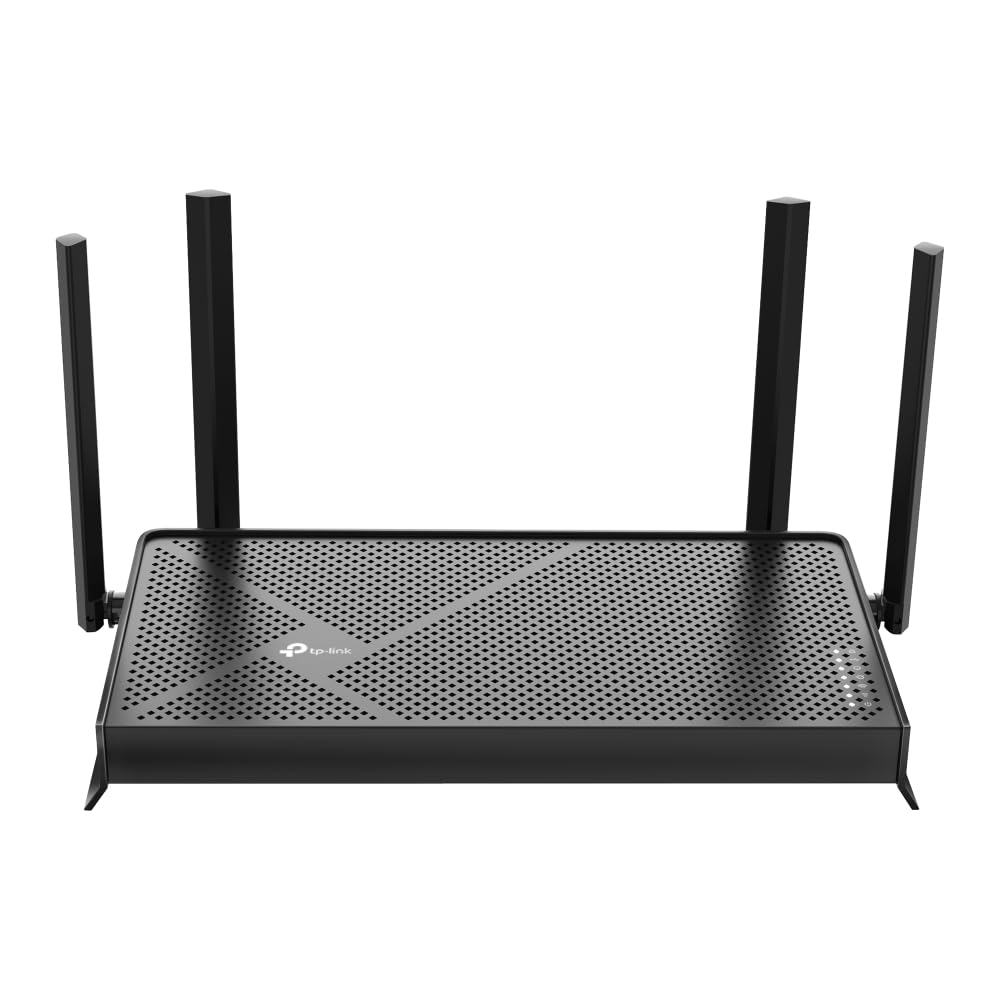
1,000+ ratings
Read Amazon ReviewsTP-Link Archer BE230
A fit for homes seeking Wi-Fi 7, multi-gig wired ports, and EasyMesh expansion without needing a 6 GHz band.
- Dual-band Wi-Fi 7 with maximum stated rates of up to 2,882 Mbps on 5 GHz and 688 Mbps on 2.4 GHz; it does not support 6 GHz.
- Wi-Fi 7 capabilities include Multi-Link Operation, Multi-RUs, and 4K-QAM.
- One 2.5 Gbps WAN/LAN port, one 2.5 Gbps LAN port, three 1 Gbps LAN ports, and USB 3.0.
- A 2.0 GHz quad-core processor and four internal antennas with beamforming.

Pros
- The port selection includes two 2.5 Gbps connections, useful for a multi-gig internet plan and a fast wired device.
- Wi-Fi 7 features are paired with compatibility across earlier Wi-Fi generations.
Consider before buying
- The dual-band design omits 6 GHz, which may matter to buyers specifically seeking that band.
- Coverage is listed as up to 2,000 square feet, so larger or obstructed homes may require additional compatible mesh equipment.
Read the full review summary
The Archer BE230 combines Wi-Fi 7 features such as Multi-Link Operation, Multi-RUs, and 4K-QAM with stated wireless speeds of up to 2,882 Mbps on 5 GHz and 688 Mbps on 2.4 GHz.
Its dual-band design does not include 6 GHz, so its appeal rests on the features and capacities of its existing bands rather than access to Wi-Fi 7's 6 GHz spectrum.
On the wired side, it has one 2.5 Gbps WAN/LAN port, one 2.5 Gbps LAN port, three 1 Gbps LAN ports, and USB 3.0.
TP-Link also lists coverage up to 2,000 square feet for up to 60 devices, with four internal antennas, beamforming, and EasyMesh compatibility. Those figures are useful planning references, though walls, distance, and the home's layout affect actual coverage.
The buying factors
Archer BE230 Scorecard
Editorial scores reflect listed features and buyer fit; they are not laboratory measurements or customer ratings.
Wi-Fi 7 feature set
Includes Multi-Link Operation, Multi-RUs, and 4K-QAM, though the dual-band design has no 6 GHz band.
Wireless capacity
Up to 2,882 Mbps on 5 GHz and 688 Mbps on 2.4 GHz provide clear stated limits for its two bands.
Wired connectivity
Two 2.5 Gbps ports and three 1 Gbps LAN ports offer flexible connections for faster internet and wired devices.
Coverage planning
The stated ceiling is up to 2,000 square feet and 60 devices; building layout and obstacles will affect results.
Expansion options
EasyMesh support allows pairing with compatible routers and range extenders to build wider home coverage.
Setup and management
The Tether app supports setup, network management, and firmware updates.
Key Features and Specifications of Archer BE230
- Dual-band Wi-Fi 7 with maximum stated rates of up to 2,882 Mbps on 5 GHz and 688 Mbps on 2.4 GHz; it does not support 6 GHz.
- Wi-Fi 7 capabilities include Multi-Link Operation, Multi-RUs, and 4K-QAM.
- One 2.5 Gbps WAN/LAN port, one 2.5 Gbps LAN port, three 1 Gbps LAN ports, and USB 3.0.
- A 2.0 GHz quad-core processor and four internal antennas with beamforming.
- Coverage listed at up to 2,000 square feet for up to 60 devices.
- EasyMesh compatibility for pairing with compatible routers and range extenders; setup and management use the Tether app.
Pros and Cons of Archer BE230
Pros
- The port selection includes two 2.5 Gbps connections, useful for a multi-gig internet plan and a fast wired device.
- Wi-Fi 7 features are paired with compatibility across earlier Wi-Fi generations.
- EasyMesh offers a path to extend the network with compatible equipment.
- Tether app support brings setup, management, and firmware updates into one place.
Consider before buying
- The dual-band design omits 6 GHz, which may matter to buyers specifically seeking that band.
- Coverage is listed as up to 2,000 square feet, so larger or obstructed homes may require additional compatible mesh equipment.
- The three 1 Gbps LAN ports cannot provide multi-gig wired links; reserve the 2.5 Gbps LAN port for a device that can use it.
Who Should Buy Archer BE230?
Good fit
Consider the Archer BE230 if you want Wi-Fi 7 features and need more than one multi-gig wired connection.
Its 2.5 Gbps WAN/LAN and separate 2.5 Gbps LAN ports can accommodate a compatible fast internet connection plus a wired device, while the three gigabit LAN ports serve other equipment.
It is also a practical candidate for a typical home that wants app-based setup and a possible coverage expansion route.
Check your floor plan against the stated up-to-2,000-square-foot coverage, and confirm that any router or extender you plan to add supports EasyMesh.
Before buying, compare your current and planned devices, internet service, and wired equipment with the port layout. If 6 GHz is a priority, this dual-band model does not provide it.
Who should skip it
Skip this model if access to a 6 GHz Wi-Fi band is central to your upgrade; the Archer BE230 is dual-band and does not support 6 GHz.
If you need multi-gig wired connections for several devices, count the available 2.5 Gbps ports against your setup first. The router has two such ports, while its remaining three LAN ports are 1 Gbps.
How the Archer BE230 Fits a Wi-Fi 7 Home
Dual-band Wi-Fi 7 in practice
The BE230 offers Wi-Fi 7 features on 5 GHz and 2.4 GHz, with respective maximum stated rates of up to 2,882 Mbps and 688 Mbps.
The lack of 6 GHz is a meaningful boundary for buyers comparing band access, while backward compatibility may help households with a mix of newer and older Wi-Fi devices.
A useful wired port mix
Two 2.5 Gbps ports give the router flexibility for a multi-gig internet connection and one high-speed wired LAN connection.
Three additional gigabit LAN ports support common wired devices, but buyers with several multi-gig devices should map their connections before choosing.
Coverage and mesh expansion
The stated coverage is up to 2,000 square feet, serving up to 60 devices, with four internal antennas and beamforming. These figures can help set expectations, but distance, walls, and placement affect coverage.
EasyMesh compatibility gives buyers an option to add compatible routers or extenders if one router does not suit the whole floor plan.
Everyday setup and control
The Tether app handles setup and network management, including firmware updates.
HomeShield is described as providing network protection, parental controls, and IoT security; buyers who rely on specific security or control features should confirm that the functions they want are available for their needs.
Alternatives to Archer BE230
Computer Routers alternative
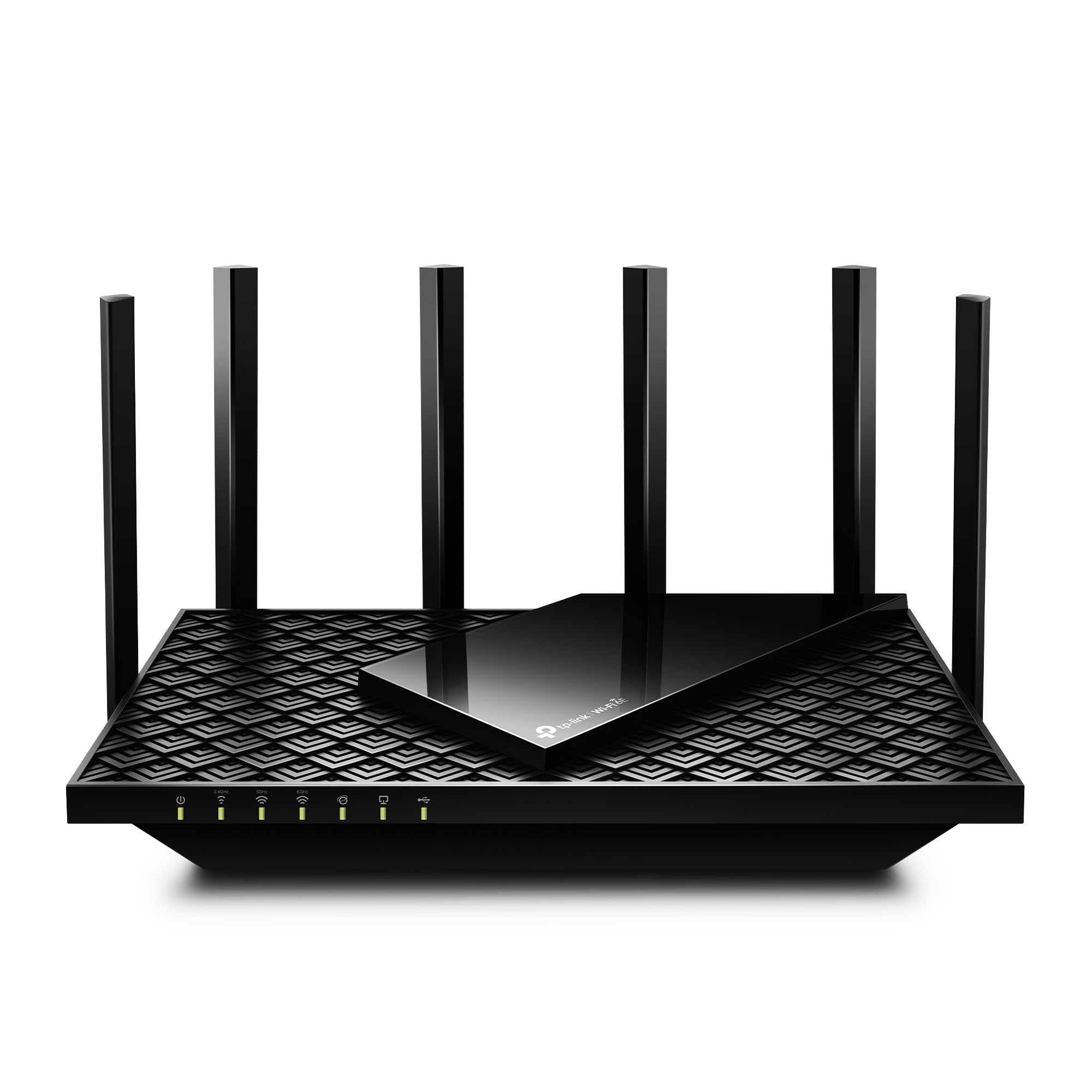
5,000+ ratings
Read Amazon ReviewsTP-Link Archer AXE75
Choose the AXE75 if having a 6 GHz band is more important than Wi-Fi 7 features or a second 2.5 Gbps port.
The BE230 fits better when its Wi-Fi 7 feature set and extra multi-gig LAN connection better match your setup.
- The Archer AXE75 is a tri-band Wi-Fi 6E router with a 6 GHz band, a 2.5 Gbps WAN port, and OneMesh support with a compatible extender.
- The Archer BE230 is a dual-band Wi-Fi 7 router with no 6 GHz band, two 2.5 Gbps ports, and three 1 Gbps LAN ports.
Computer Routers alternative
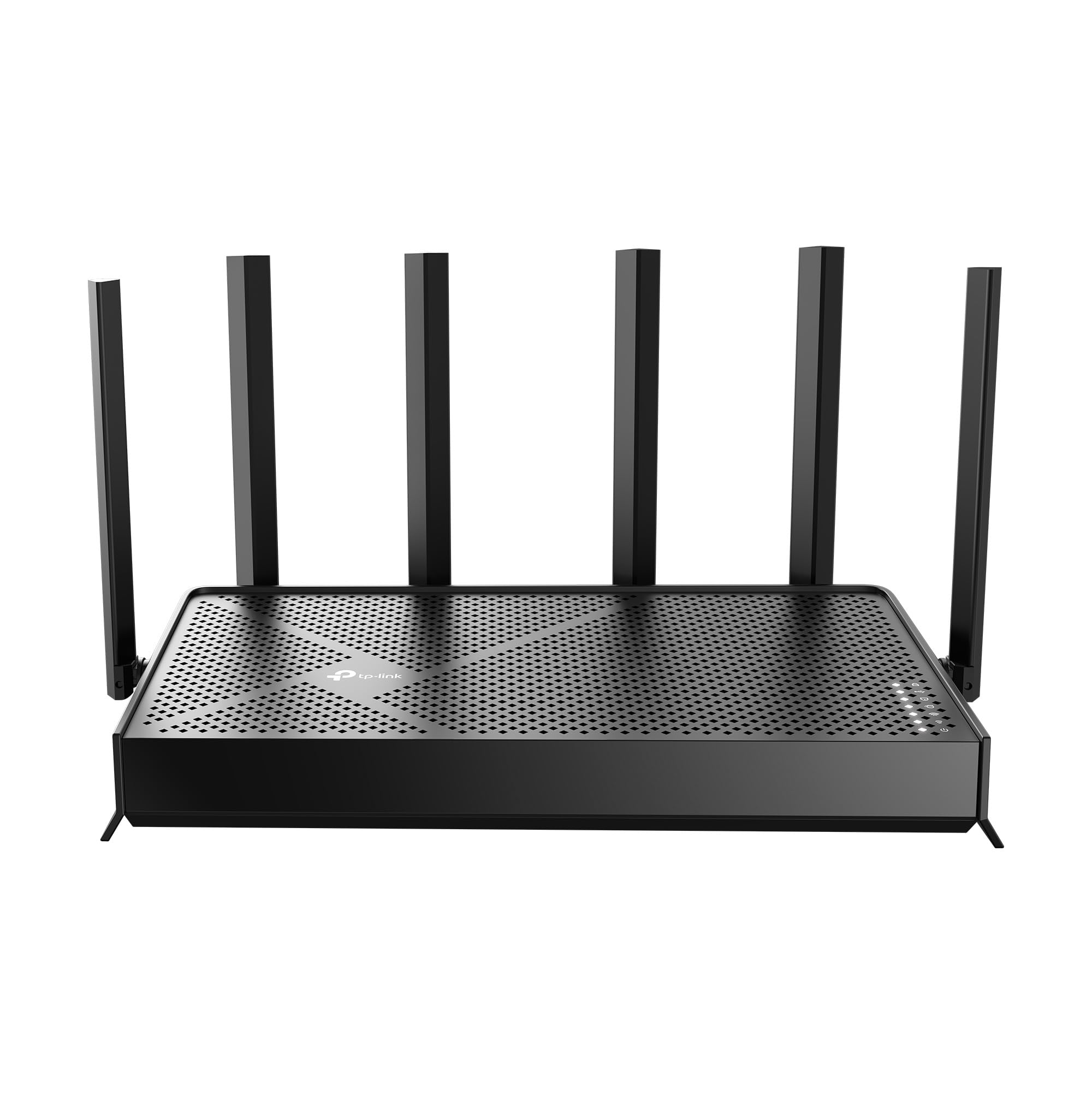
600+ ratings
Read Amazon ReviewsTP-Link Archer BE600
Consider the BE600 if you need a 6 GHz band, a higher stated coverage and device ceiling, or more multi-gig wired connections.
The BE230 is the simpler fit when its dual-band design and smaller port mix meet your needs.
- The Archer BE600 is a tri-band Wi-Fi 7 router with a 6 GHz band, coverage listed up to 2,600 square feet for up to 120 devices, and ports including one 10 Gbps, one 2.5 Gbps WAN/LAN, and three 2.5 Gbps LAN connections.
- The Archer BE230 is dual-band, covers up to 2,000 square feet for up to 60 devices, and has two 2.5 Gbps ports.
Is Archer BE230 Worth It?
The TP-Link Archer BE230 is worth considering for a home moving to Wi-Fi 7 that values two 2.5 Gbps ports, app-based management, and EasyMesh expansion.
Its listed coverage and device capacity make it a plausible single-router option for some homes, with actual coverage depending on the layout and obstacles.
Buy it if dual-band Wi-Fi 7 meets your needs and its wired ports match your equipment. Look elsewhere if 6 GHz or several multi-gig LAN connections are essential.
Your review at a glance
1,000+ ratings
Read Amazon ReviewsTP-Link Archer BE230
A fit for homes seeking Wi-Fi 7, multi-gig wired ports, and EasyMesh expansion without needing a 6 GHz band.
- Dual-band Wi-Fi 7 with maximum stated rates of up to 2,882 Mbps on 5 GHz and 688 Mbps on 2.4 GHz; it does not support 6 GHz.
- Wi-Fi 7 capabilities include Multi-Link Operation, Multi-RUs, and 4K-QAM.
- One 2.5 Gbps WAN/LAN port, one 2.5 Gbps LAN port, three 1 Gbps LAN ports, and USB 3.0.
- A 2.0 GHz quad-core processor and four internal antennas with beamforming.